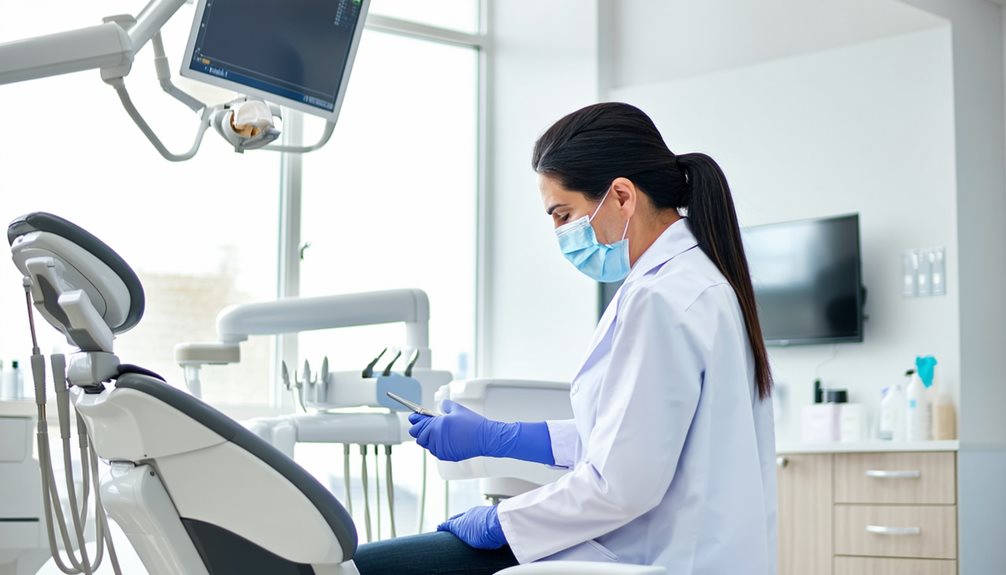
Achieving budget-friendly family dental care requires utilizing a combination of strategic approaches. Identify low-cost dental clinics and explore dental schools where students offer affordable services under professional supervision. Consider dental discount plans, as they provide significant reductions on services without the constraints of annual limits. Preventive care is critical—maintain regular oral hygiene practices and schedule routine check-ups to detect issues early. Investigate flexible payment options available through dental practices that offer manageable financing solutions. Additionally, leverage free dental events offered by community programs, which provide both treatment and education. Discover further techniques to enhance your family’s dental care management.
Find Low-Cost Dental Clinics
Finding affordable dental care can often be challenging, but understanding where to look for low-cost dental clinics can greatly alleviate the financial burden. An essential aspect to reflect upon is the role of community partnerships in providing affordable services. Many clinics collaborate with local organizations and non-profits to offer subsidized dental care, making preventative and routine treatments accessible to underserved populations.
By leveraging these partnerships, clinics can reduce operational costs and pass these savings on to patients.
Innovative models of care are emerging, where clinics focus on affordability without compromising quality. These establishments often operate on a sliding fee scale based on income, ensuring equitable access to crucial dental services. Online platforms and databases can be utilized to locate such clinics, offering patients a convenient way to access information on available affordable services.
Furthermore, tele-dentistry is gaining traction as a cost-effective solution, allowing preliminary consultations and follow-ups to be conducted remotely, thereby reducing the need for extensive in-person visits.
Explore Dental Schools
For those seeking additional avenues for affordable dental care, dental schools present a valuable option. These institutions offer services at reduced costs, performed by student dentists under the close supervision of experienced faculty. This unique setup not only provides significant savings for patients but also contributes to the extensive dental education of future professionals.
Dental schools are equipped with state-of-the-art technology and adhere to stringent safety protocols, guaranteeing that patients receive quality care. By engaging with these institutions, families can access a wide range of services, including routine cleanings, fillings, root canals, and even orthodontics.
The supervised setting allows student dentists to hone their skills while leveraging the latest innovations in dental care. Patients benefit from the enthusiasm and meticulousness of student dentists, whose fresh perspectives often bring innovative approaches to treatment plans.
Appointments may take longer than those in traditional practices, as each procedure is meticulously reviewed, guaranteeing thoroughness and precision. This emphasis on detailed care can lead to enhanced patient outcomes.
When considering dental schools, research institutions accredited by the Commission on Dental Accreditation (CODA) to guarantee quality and reliability. Exploring dental schools not only offers affordable care but also supports the next generation of dental innovators.
Utilize Dental Discount Plans
Dental discount plans represent a strategic approach for families aiming to manage dental care expenses effectively. These plans are not insurance policies but membership-based programs offering significant dental discounts at participating providers. By committing to a monthly or annual fee, families can access reduced rates on a range of dental services, from routine cleanings to more extensive procedures.
This innovative approach to budget planning helps mitigate the financial burden of dental care, providing a practical solution for families seeking to maintain their oral health without compromising their financial stability.
These plans are particularly advantageous for families without dental insurance or those whose insurance does not cover all necessary procedures. Participating in a dental discount plan guarantees that families can receive the dental care they need at a fraction of the cost.
The flexibility of these plans allows families to choose from a network of providers, fostering a personalized approach to their dental needs. Additionally, the absence of annual limits, waiting periods, or preexisting condition exclusions makes dental discount plans an attractive option for families focused on proactive budget planning.
Prioritize Preventive Care
While dental discount plans provide a financial strategy for managing dental care expenses, emphasizing preventive care is equally essential in maintaining oral health and reducing long-term costs.
Establishing a robust oral hygiene regimen within family routines can greatly mitigate the risk of developing serious dental issues that require costly interventions. By integrating innovative, evidence-based practices, families can maintain ideal oral health while adhering to budget constraints.
A cornerstone of preventive care is regular brushing and flossing. Utilizing electric toothbrushes, when feasible, can enhance cleaning efficacy compared to manual methods. Encourage family routines that incorporate twice-daily brushing and once-daily flossing, tailored to each member’s specific dental needs.
Additionally, opting for toothpaste and mouthwash with fluoride and other protective agents supports the remineralization process, fortifying enamel against decay.
Routine dental check-ups are critical in identifying potential issues before they escalate. These visits provide an opportunity for professional cleanings and expert advice on improving daily oral care practices.
Moreover, implementing a balanced diet low in sugary and acidic foods can play a pivotal role in preventive care. By prioritizing preventive measures, families not only safeguard their health but also promote a cost-effective approach to dental care.
Seek Flexible Payment Options
Maneuvering the financial landscape of dental care can be challenging, yet seeking flexible payment options offers a practical solution for families aiming to manage costs effectively.
Dental practices increasingly recognize the need for adaptable financing solutions and have begun offering a variety of payment plans tailored to meet diverse financial situations. By opting for flexible financing, families can break down the cost of dental procedures into manageable monthly installments, alleviating the burden of paying large sums upfront.
Flexible financing options are particularly beneficial for families with multiple members requiring treatment. Dental providers often collaborate with third-party financing companies to offer interest-free or low-interest payment plans, making it easier to budget for essential dental care without sacrificing quality.
Understanding these options involves consulting with your dental provider to discuss the available plans and selecting one that aligns with your financial circumstances.
Moreover, it is essential to thoroughly review the terms and conditions of any financing plan to avoid unexpected costs. Families should seek transparent providers who offer clear communication about fees and schedules.
Leverage Community Dental Programs
To optimize dental care costs for your family, consider leveraging community dental programs that offer practical solutions.
By exploring local clinics, you may find options that include sliding scale fees based on income, greatly reducing the financial burden.
Additionally, participating in free dental events can provide essential services at no cost, ensuring thorough care without compromising quality.
Explore Local Clinics
Steering through the landscape of dental care can be intimidating, but community dental programs often serve as a beacon for families seeking affordable options. These programs strategically leverage local services to extend their reach, offering innovative solutions that cater to the diverse needs of the community.
By participating in community outreach initiatives, these clinics not only provide access to essential dental health services but also foster relationships within the community, ensuring that care is both personalized and accessible.
Exploring local clinics can be an effective strategy for families aiming to maintain their dental health without incurring considerable costs. Many local clinics are supported by dental schools or public health departments, providing services at reduced rates.
They often employ highly skilled dental students under the supervision of experienced professionals, ensuring that quality care is never compromised. These clinics may offer a range of services, including preventative care, routine check-ups, and emergency treatments.
It’s vital for families to research and identify clinics that align with their specific needs. Engaging in this exploration not only enhances awareness of available resources but also empowers families to take proactive steps in managing their dental health effectively.
With innovative community programs, the path to affordable dental care becomes notably more navigable.
Utilize Sliding Scale Fees
Many community dental programs offer sliding scale fees, a system designed to adjust costs based on an individual’s ability to pay, providing a significant advantage for families requiring budget-friendly dental care. This innovative approach guarantees that dental services remain accessible to all socioeconomic groups, facilitating better oral health outcomes.
By leveraging sliding scale benefits, families can access essential dental treatments without straining their financial resources. Community dental programs often collaborate with local health departments and non-profit organizations to deliver these services. Such partnerships enhance the availability of care and guarantee a wider reach within underserved communities.
The sliding scale structure typically evaluates household income and family size to determine a fair fee, making it a flexible solution tailored to individual circumstances. Fee negotiation becomes an integral part of accessing these benefits. Patients are encouraged to inquire about the availability of sliding scale options during their initial consultations.
Understanding the program’s eligibility criteria and documentation requirements is vital. An informed approach empowers families to make strategic financial decisions regarding their dental care. Ultimately, utilizing sliding scale fees not only promotes equitable access to quality dental services but also fosters a proactive stance towards maintaining oral health within budget constraints.
Attend Free Dental Events
Participating in free dental events can be an essential strategy for families seeking affordable oral health care. These events, often organized through community partnerships, provide an opportunity to access complimentary dental services ranging from routine cleanings to preventive screenings.
By attending, families can benefit from services offered by dental professionals who are committed to advancing oral health education within the community. As these events are typically supported by local health organizations, dental schools, and non-profit entities, they are designed to bridge the gap between underserved populations and essential dental care services.
For families pursuing innovative ways to maintain their oral health, leveraging these programs can considerably reduce dental expenses while simultaneously enriching their understanding of proper oral hygiene practices. Many events also incorporate educational workshops and demonstrations, equipping attendees with practical skills to manage their dental health proactively.
These initiatives emphasize the importance of early detection and prevention, ultimately cultivating a community well-versed in maintaining ideal oral health.
To locate these events, families can explore online platforms, community bulletin boards, and local health department notifications. By taking advantage of these accessible resources, families not only guarantee their dental well-being but also contribute to a healthier, informed community.
Frequently Asked Questions
How Do I Choose the Right Family Dentist Within My Budget?
To choose an affordable family dentist, evaluate insurance options to guarantee coverage aligns with your budget. Additionally, consult dentist reviews to assess patient satisfaction and innovative practices, ensuring the dental care meets your family’s specific needs and expectations.
Are There Any Government Programs That Assist With Dental Costs?
Government assistance programs, such as Medicaid and CHIP, may cover dental costs for eligible individuals. Additionally, dental grants are available through various organizations to support low-income families in accessing necessary dental care. Explore these innovative options for affordability.
Can Tele-Dentistry Be a Cost-Effective Option for Routine Checkups?
Tele-dentistry can be a cost-effective solution for routine checkups by providing tele dentistry benefits such as reduced travel expenses and time savings. Virtual consultations facilitate early detection of issues, enhancing preventive care while maintaining convenience and accessibility for patients.
What Are Some DIY Dental Care Tips to Maintain Oral Health at Home?
To maintain oral health at home, consider using homemade toothpaste, incorporating baking soda and coconut oil, and a natural mouthwash with diluted essential oils. These innovative solutions provide effective, cost-efficient alternatives to commercial dental products for daily care.
How Can I Teach My Children Good Dental Habits Without Professional Help?
To instill good dental habits in children without professional help, utilize positive reinforcement and engaging activities. Create fun routines, such as songs or games, that emphasize brushing and flossing, fostering a lifelong commitment to oral health through innovation.
Conclusion
To summarize, accessing budget-friendly family dental care requires strategic planning and utilization of available resources. Identifying low-cost dental clinics and exploring dental schools can greatly reduce expenses while maintaining quality care. Dental discount plans offer considerable savings, making routine visits more affordable. Prioritizing preventive care not only promotes oral health but also minimizes the need for costly treatments. Flexible payment options and community dental programs further enhance accessibility, ensuring thorough care without financial strain. Adopting these strategies can effectively manage dental expenses.